

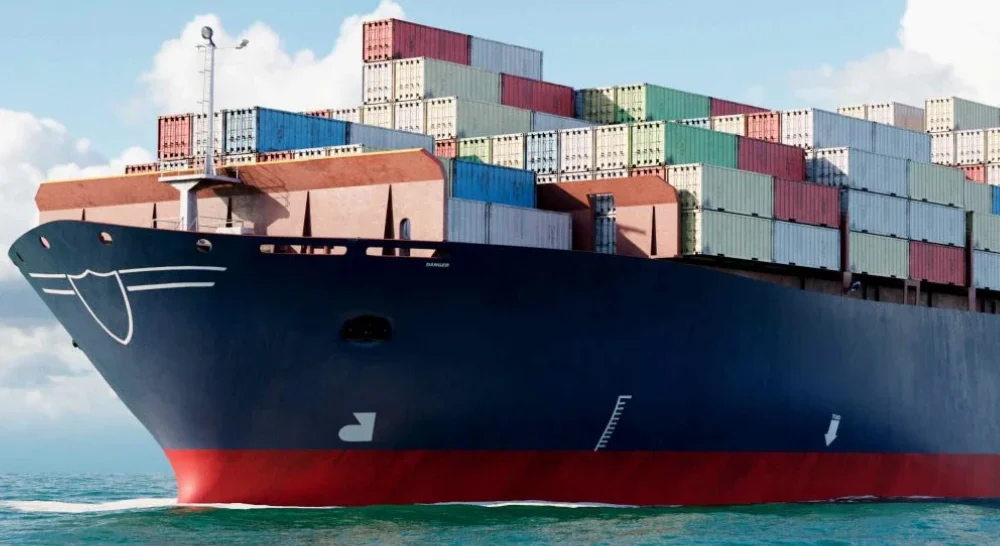
Customers have grown used to seeing where an order is and when it will arrive. For importers and exporters, this means that business buyers ask the same questions as consumers: where is my cargo, and when can I expect it?
Fast delivery does not always mean the quickest mode. It often means a reliable date, honest updates and few surprises.
What buyers look for
Whether the freight is a pallet or a full container, receivers usually value:
Speed matters, but only when it is dependable. A fast promise that is often broken is worse than a slower date that is kept.
“Smart routing isn’t just about speed — it’s about delivering smarter, reducing waste, and creating reliable delivery experiences at scale.” — Logistics Operations Specialist
Setting the right expectations
Agree these points with your customer before the cargo moves:
Before Shipping
During Transit
Transit times quoted by carriers are estimates. Port congestion, weather and inspections can all affect them, so it is better to explain the range than to promise a single date.
Choosing speed with care
Air freight suits urgent or high-value cargo, while ocean and rail suit larger volumes where cost matters more than days saved.
Choosing the mode is a trade-off between time, cost and cargo type. A forwarder can set out the options so you can decide with full information.
Thrift-Cargo Logistics offers ocean, air, road and rail freight, and our team can explain the transit options for your trade lane. Contact us to discuss your shipment.